Cambodia 1 Cambodia 2 Cambodia 3

McGrath Graduate Fellowship · Cambodia 2025

Seeing Health Through
Cambodia's Story

A public health reflection on agriculture, migration, gender, and community wellbeing across one of Southeast Asia's most resilient nations.

University of San Francisco MPH Candidate — Vera Hammond The Change Institute
Scroll

About the Trip

This immersive learning experience was part of the McGrath Graduate Fellowship Program at the University of San Francisco — an international program offered through The Change Institute that focuses on leadership, social change, and global engagement. As the only Master of Public Health student on the trip, I approached each visit with a public health lens, paying close attention to the social, economic, and environmental forces that shape people's lives and wellbeing.

From the temples of Angkor Wat to rural agricultural cooperatives, and refugee-serving schools to international development organizations, each stop offered a new window into how deeply health is shaped by the systems that surround it — not just healthcare systems, but economic systems, cultural systems, and political ones too.

Program
McGrath Graduate Fellowship, The Change Institute
Focus
Public health, agriculture, migration & gender roles
Location
Cambodia — Siem Reap, Phnom Penh & rural communities
Approach
Site visits, community conversations & written reflections
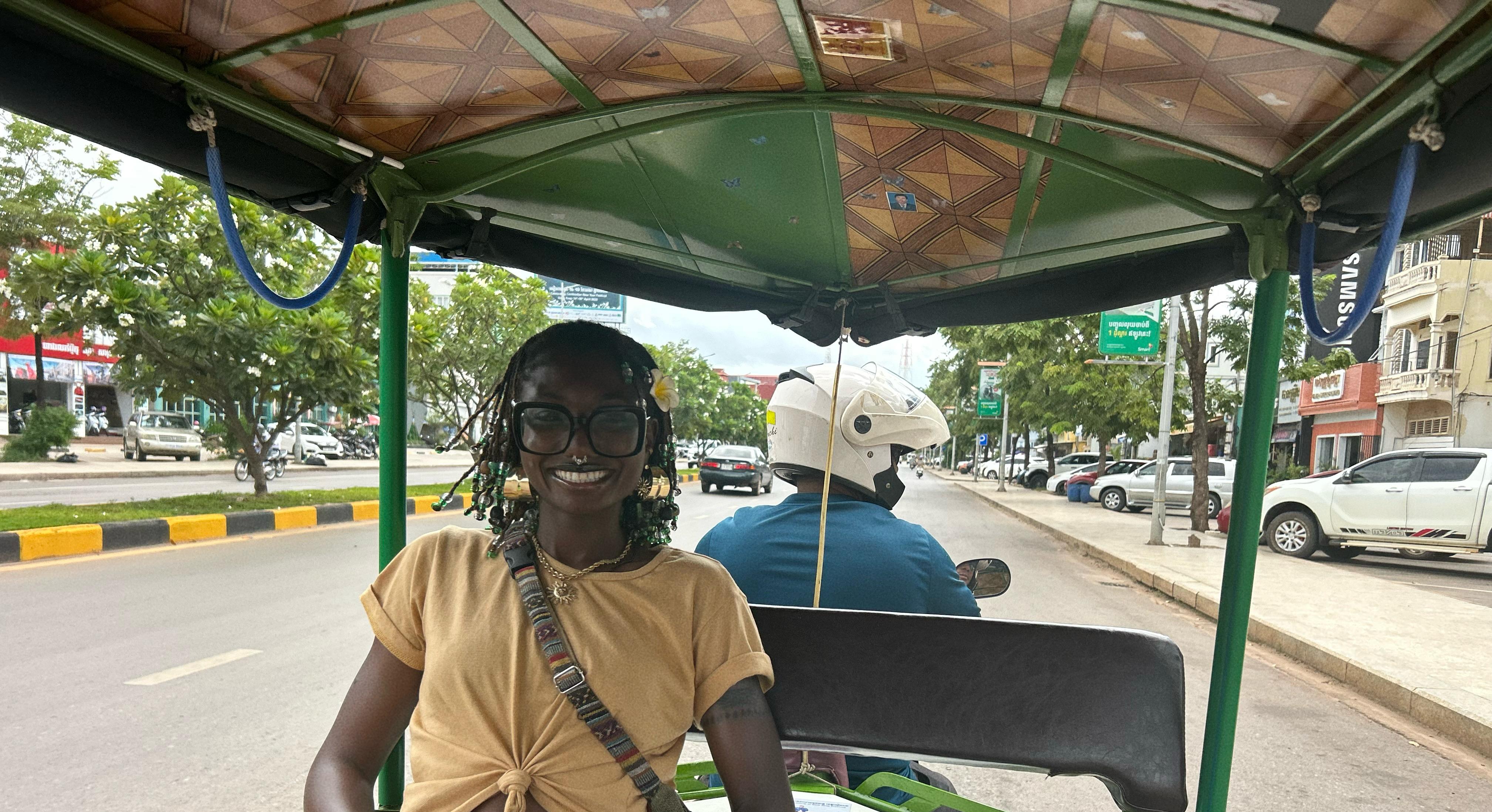
Cambodia trip

Field Reflections

Key Experiences

Each visit shaped my understanding of how history, environment, and economic systems converge to influence the health and wellbeing of Cambodian communities.

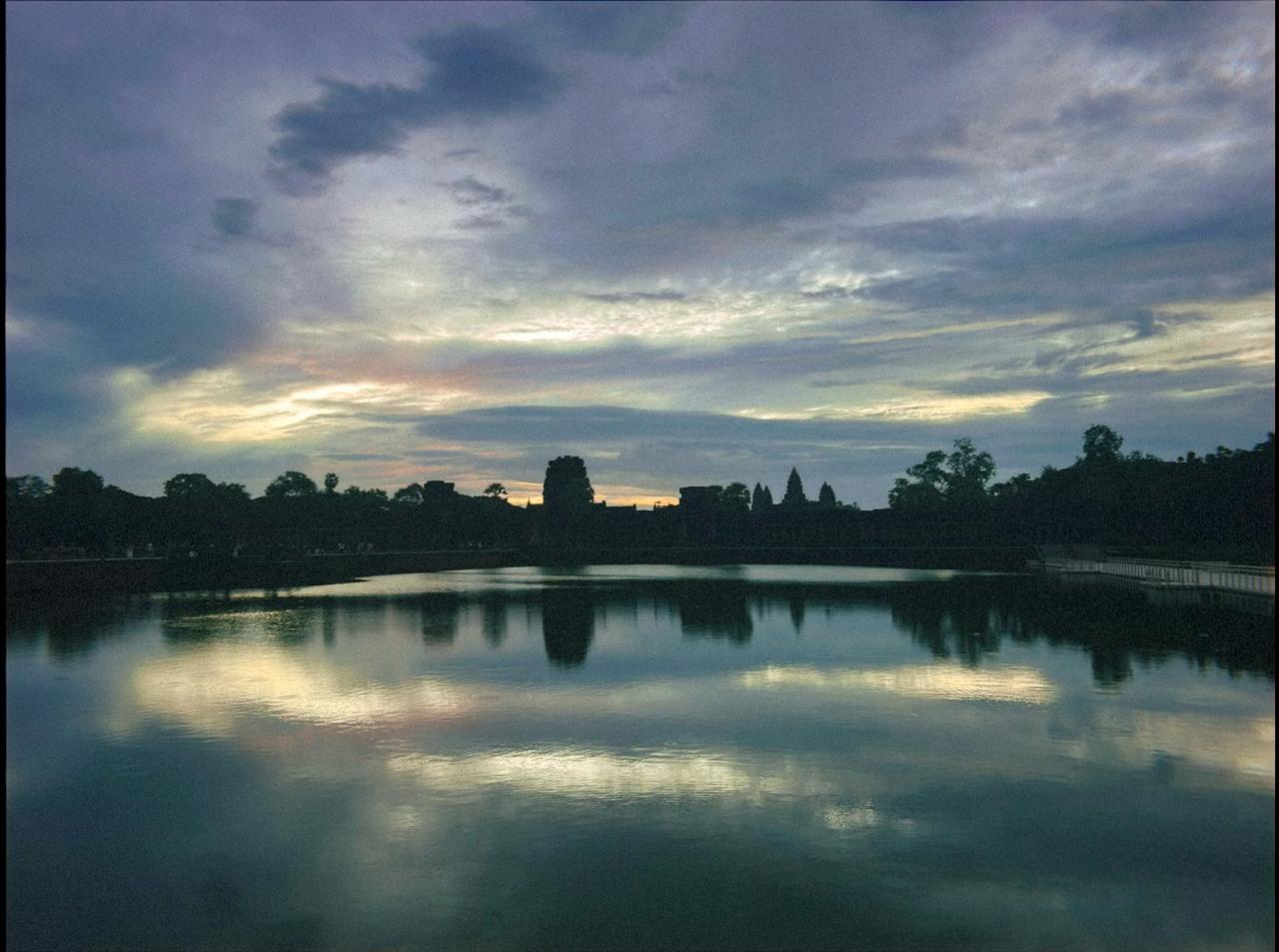
Angkor Wat sunrise

Cultural Heritage

Angkor Wat Sunrise

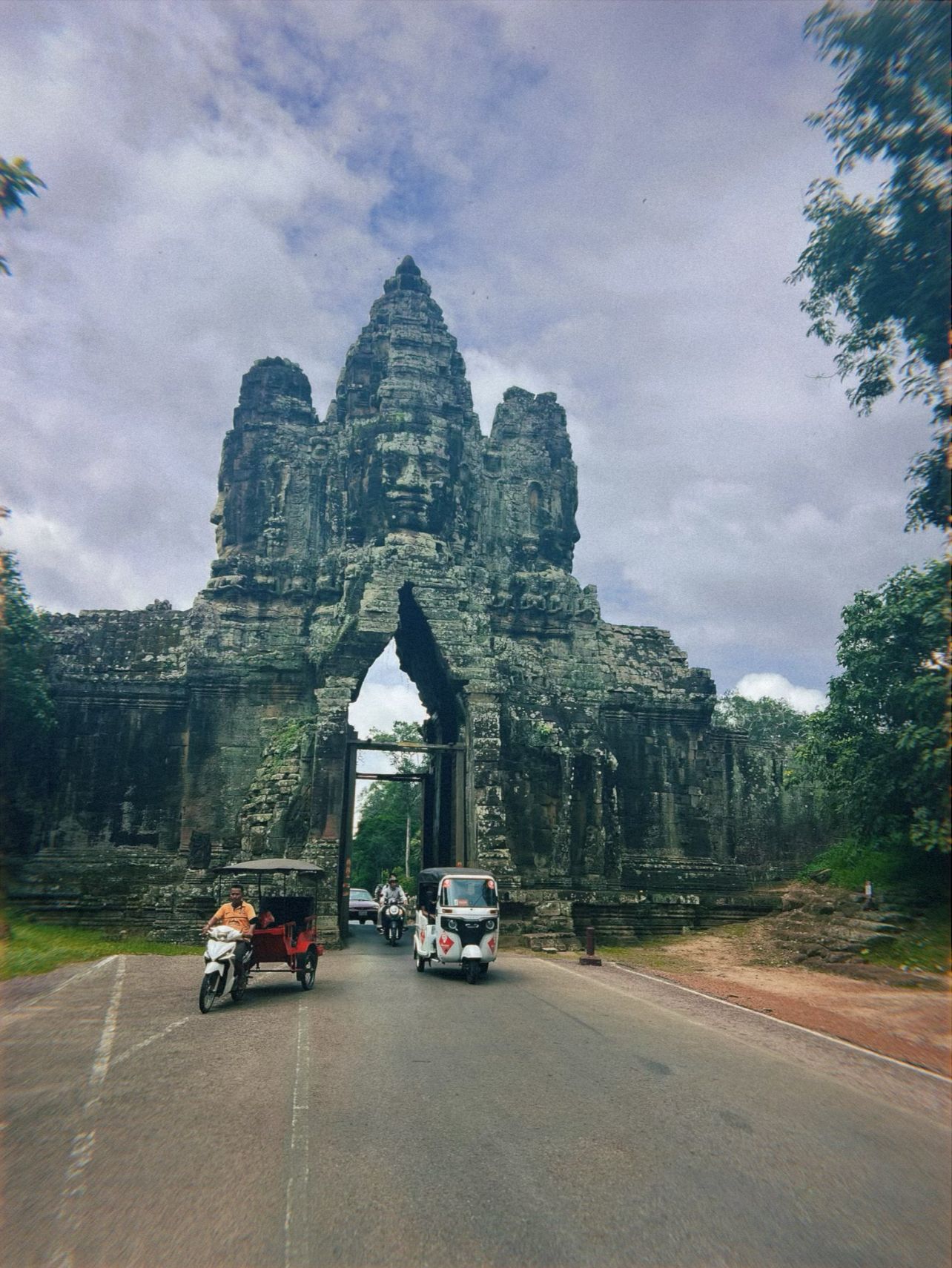
Watching the sun rise over Angkor Wat was one of the most striking moments of the trip — not only for its beauty, but for what it represents. Understanding a community's history and sense of identity is foundational to understanding its health. For Cambodia, that history is layered and complex, marked by both ancient greatness and profound loss.

Xavier Jesuit School

Education & Equity

Xavier Jesuit School & JRS

Our visit and meeting to the Jesuit Refugee Service offered a powerful reminder of how education functions as a social determinant of health. For refugee communities, access to quality schooling is a pathway to safety, stability, and long-term wellbeing.

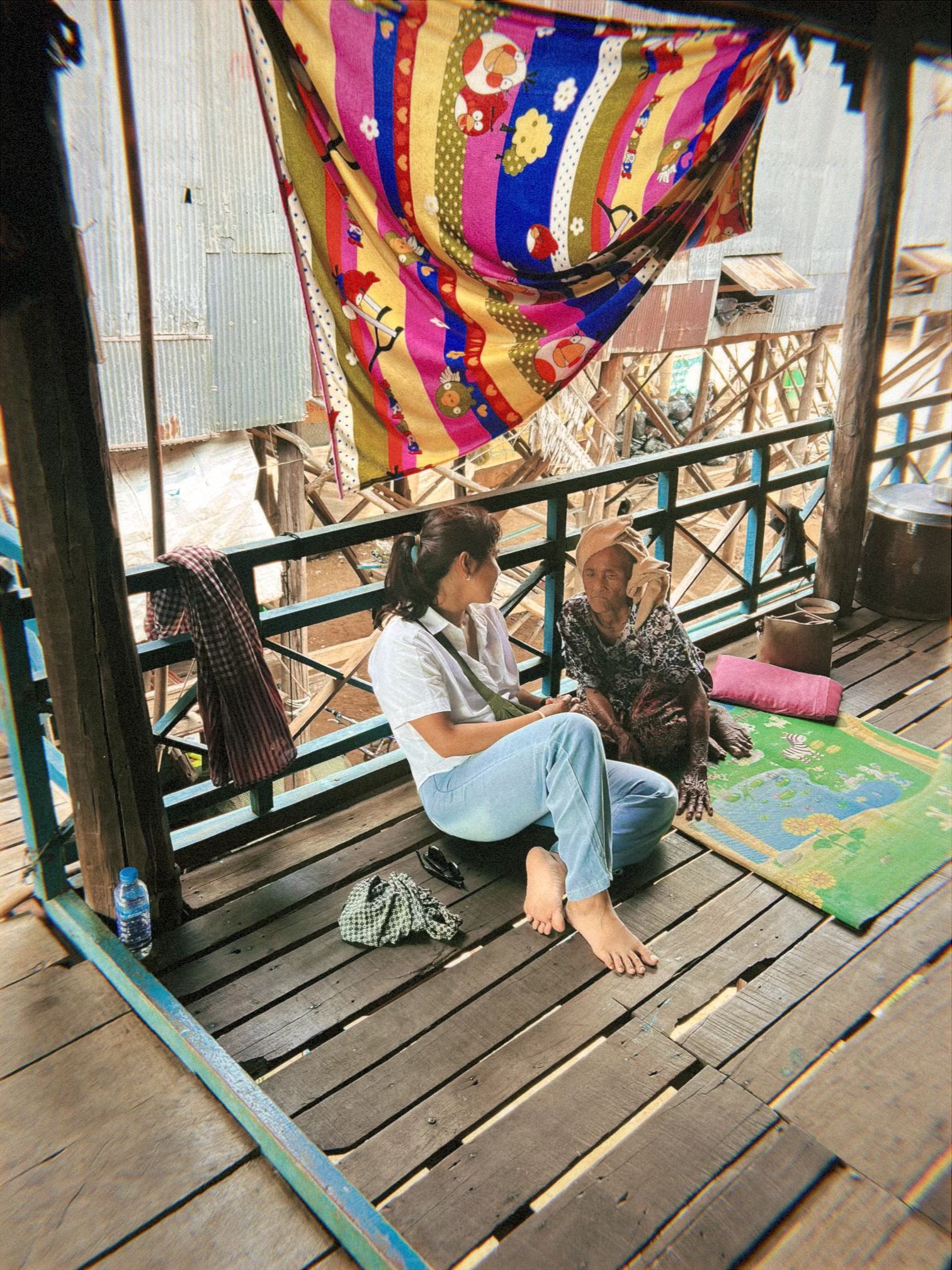
Tonlé Sap

Environment & Livelihood

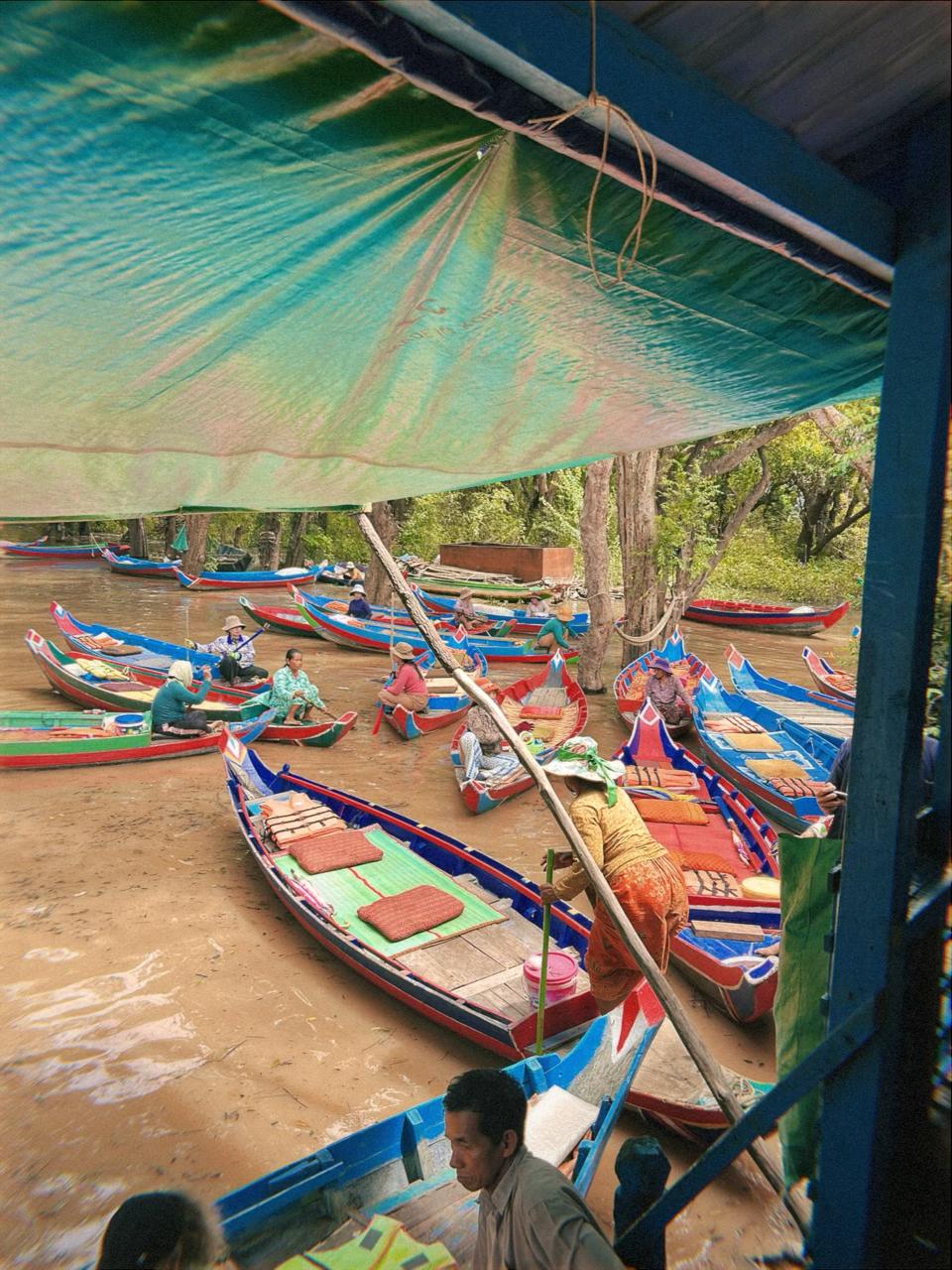
Tonlé Sap Communities

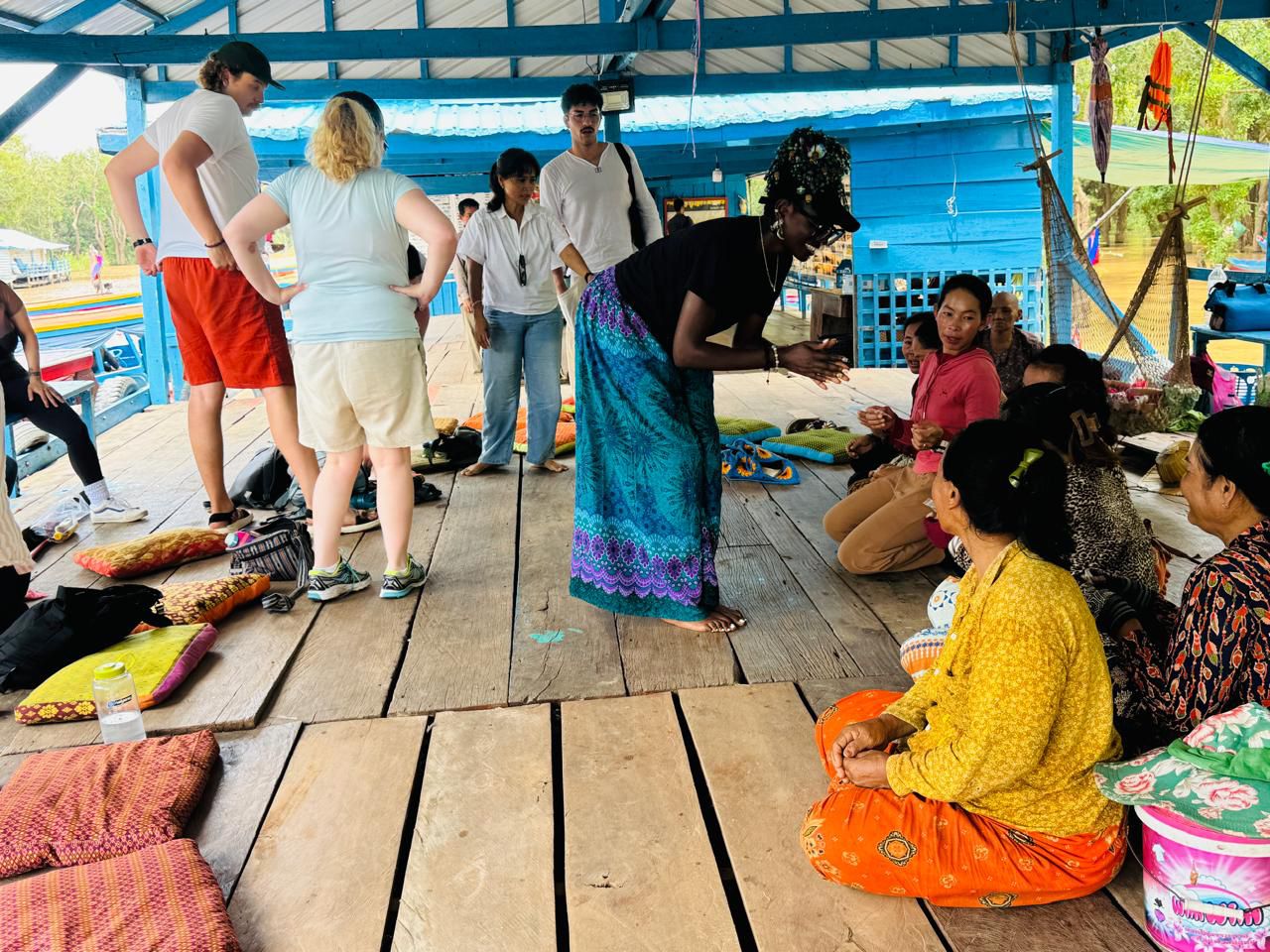
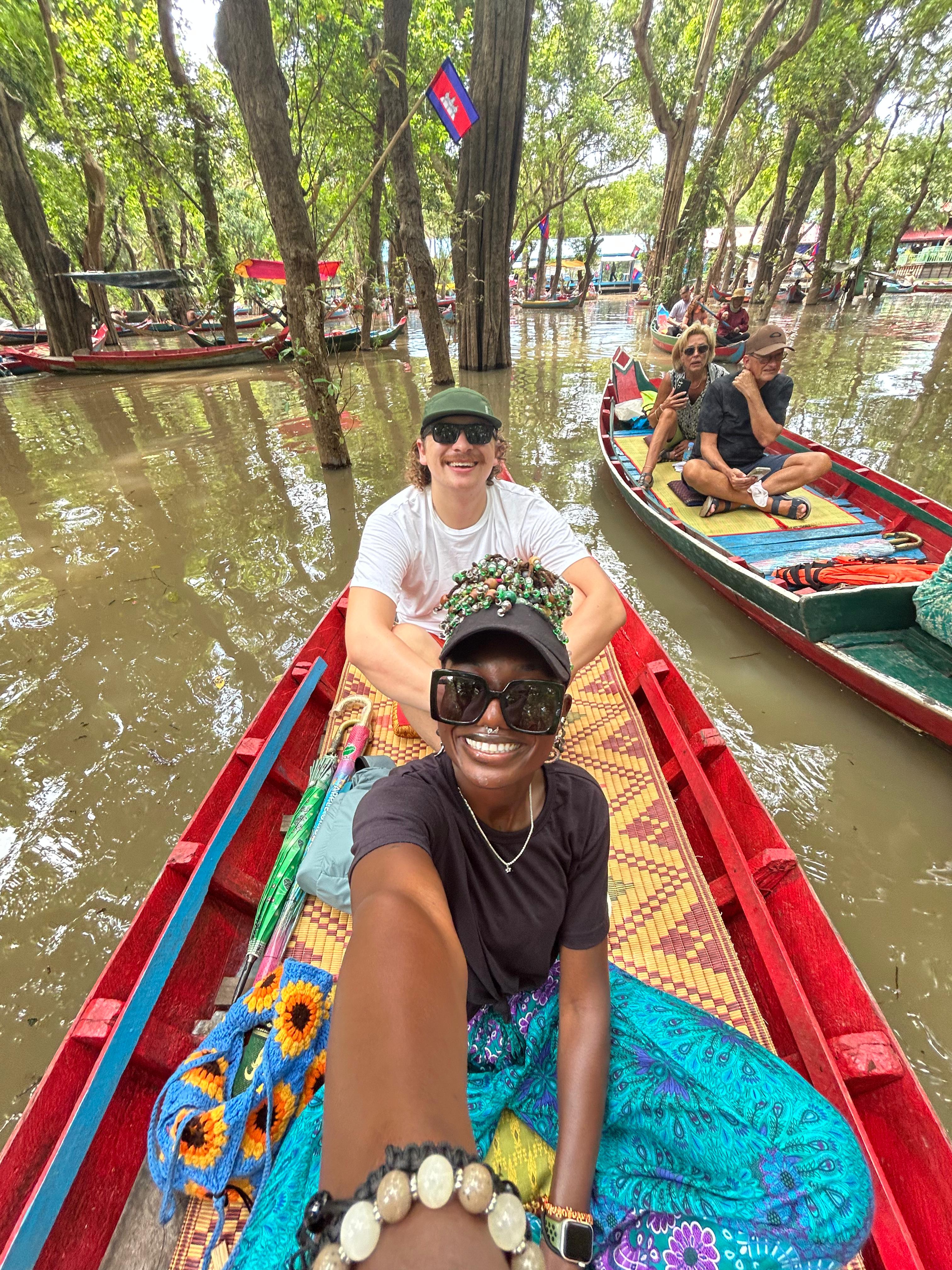
The communities living around Tonlé Sap Lake gave me one of the clearest illustrations of how environment and livelihood are inseparable. This connection makes them especially vulnerable to environmental change — and it underscored how ecological health and human health are not separate concerns.

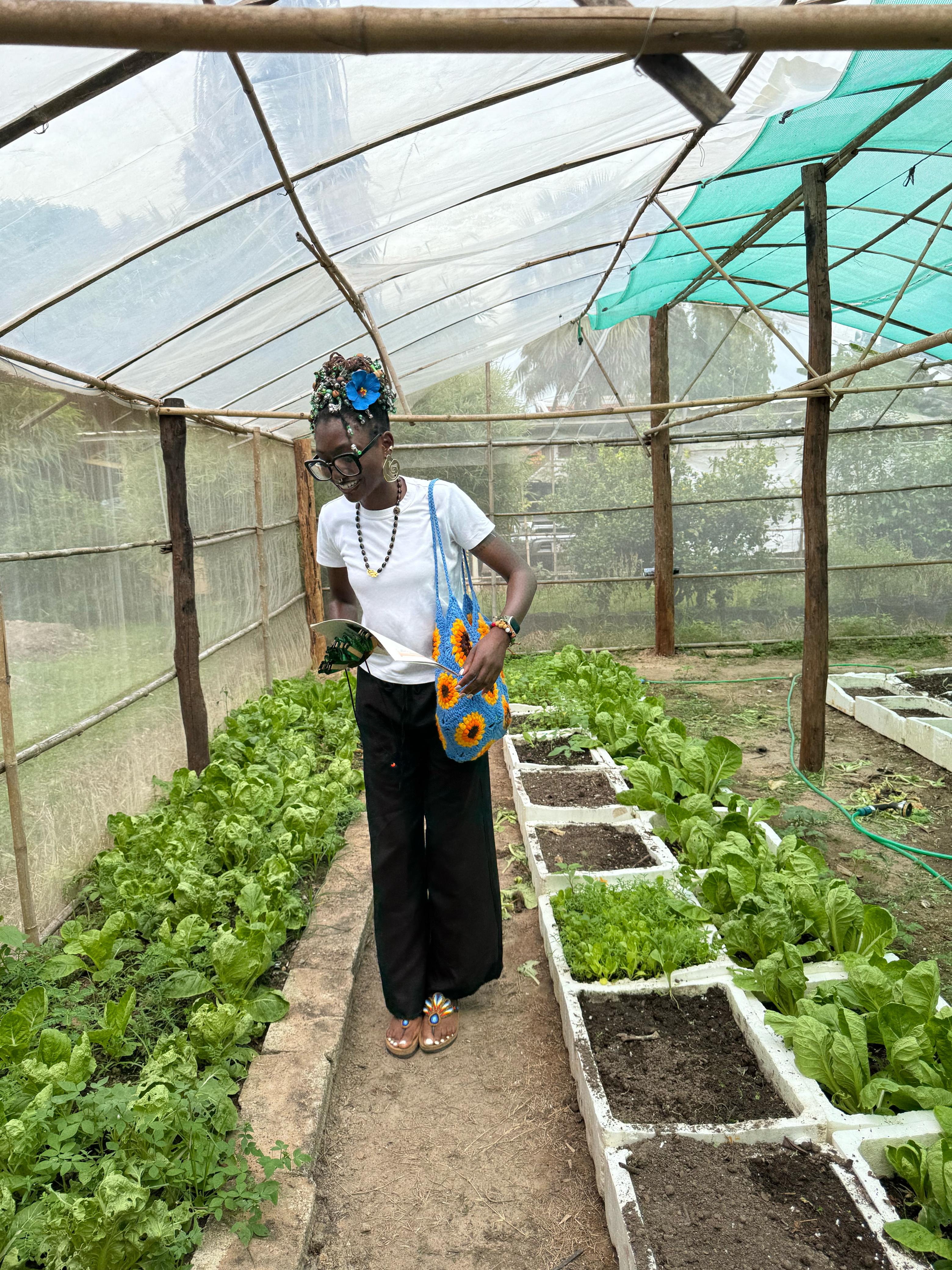
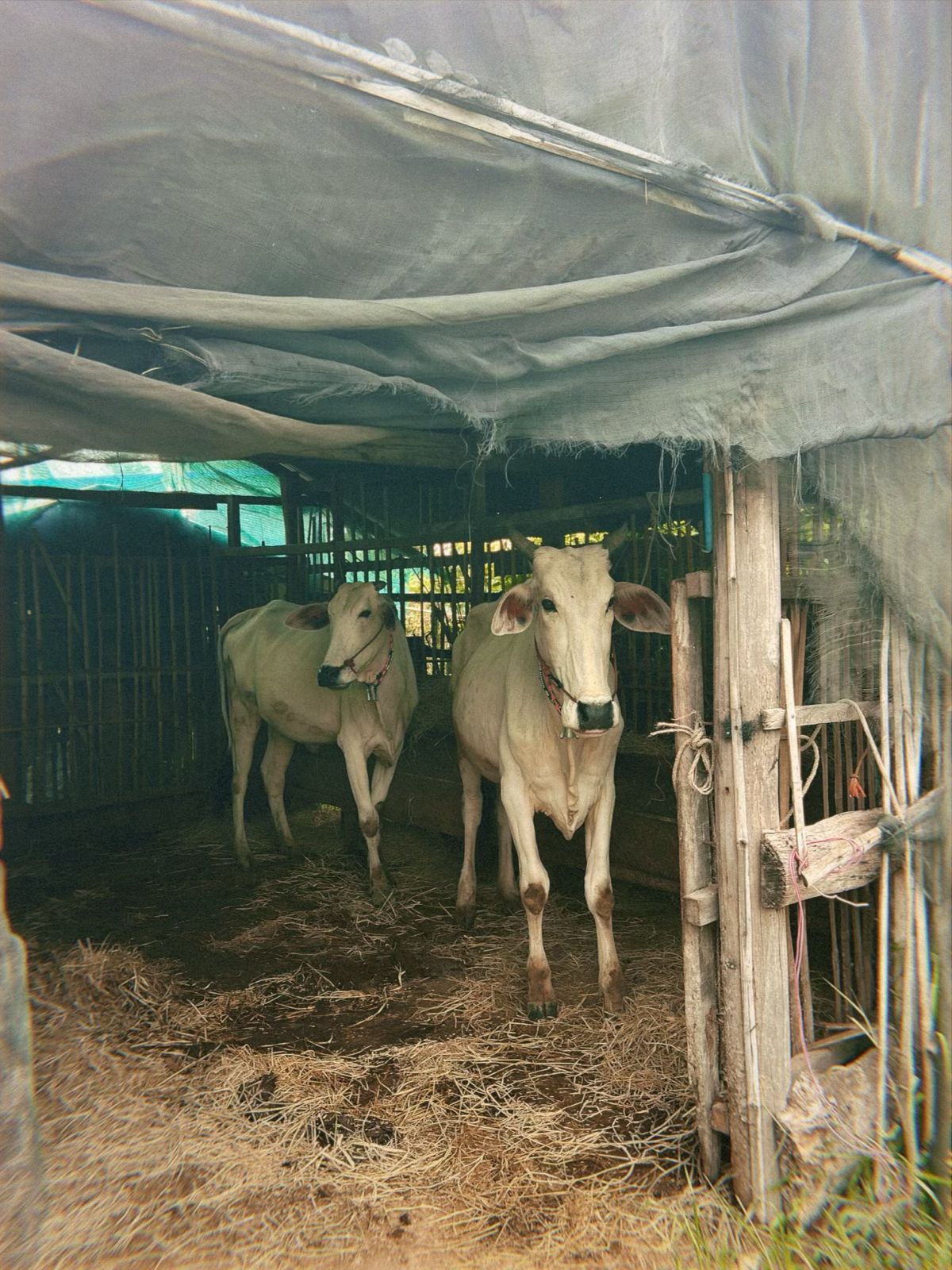
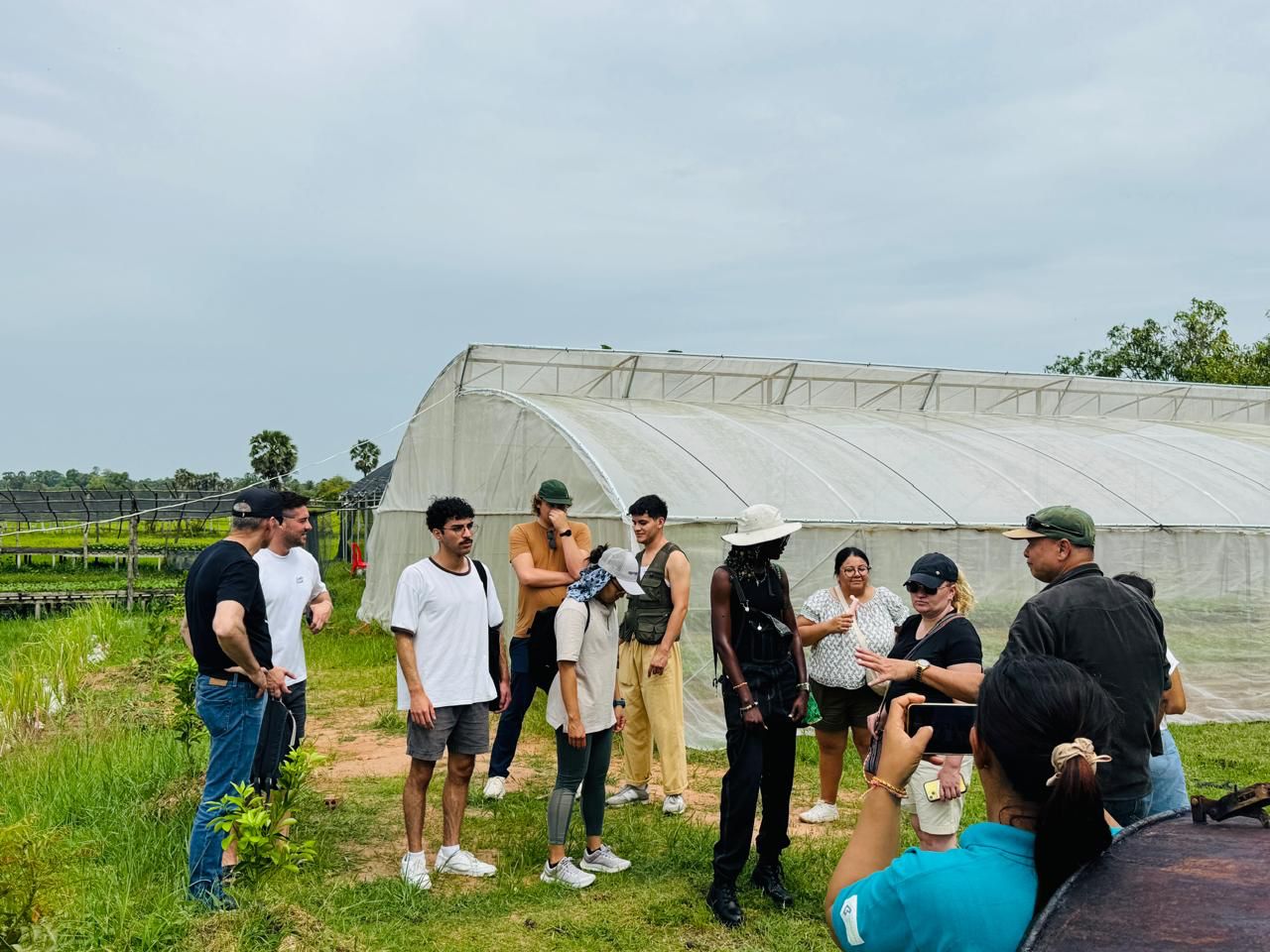
Women's vegetable cooperative Cashew Farm

Gender & Economy

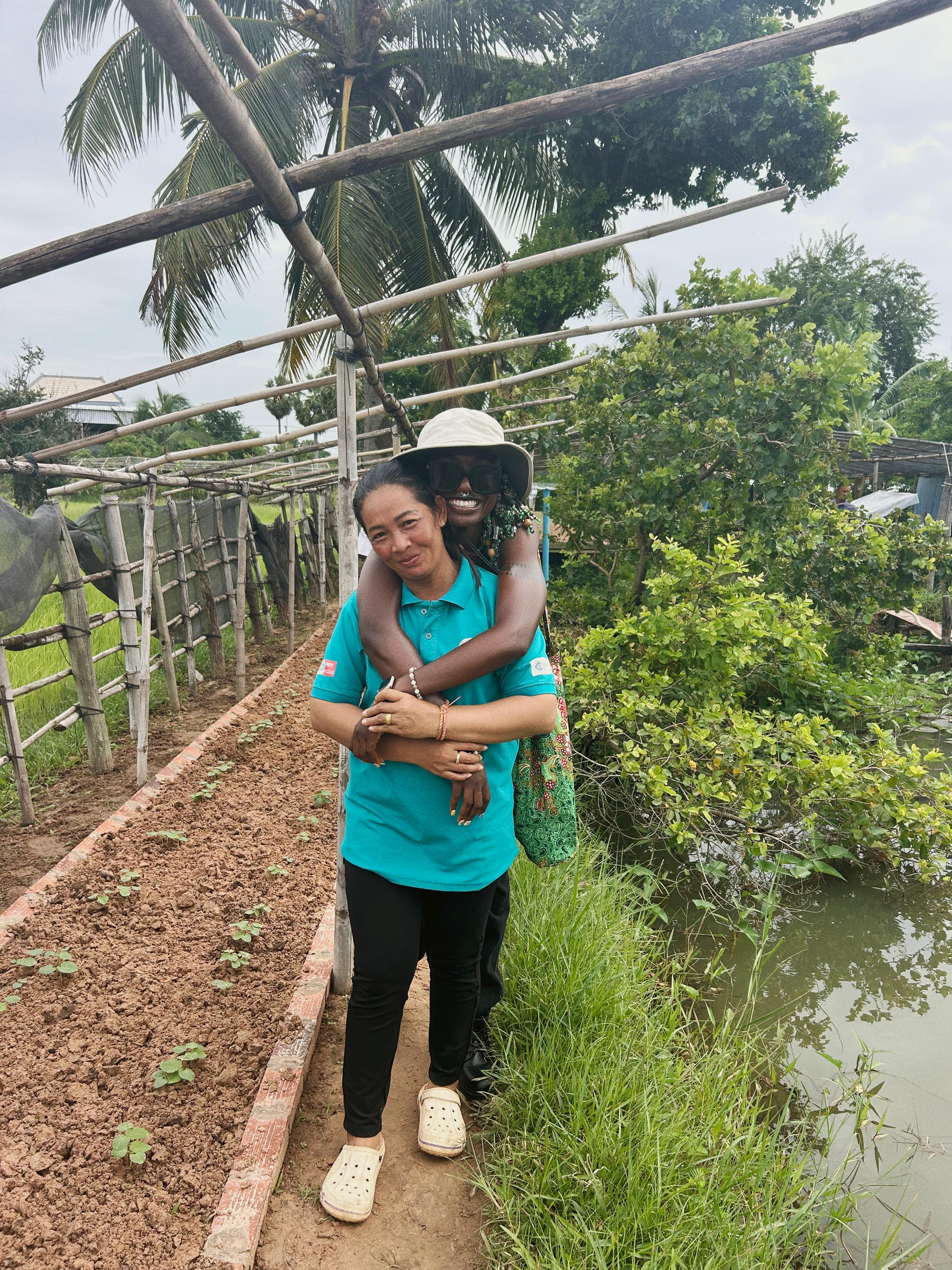
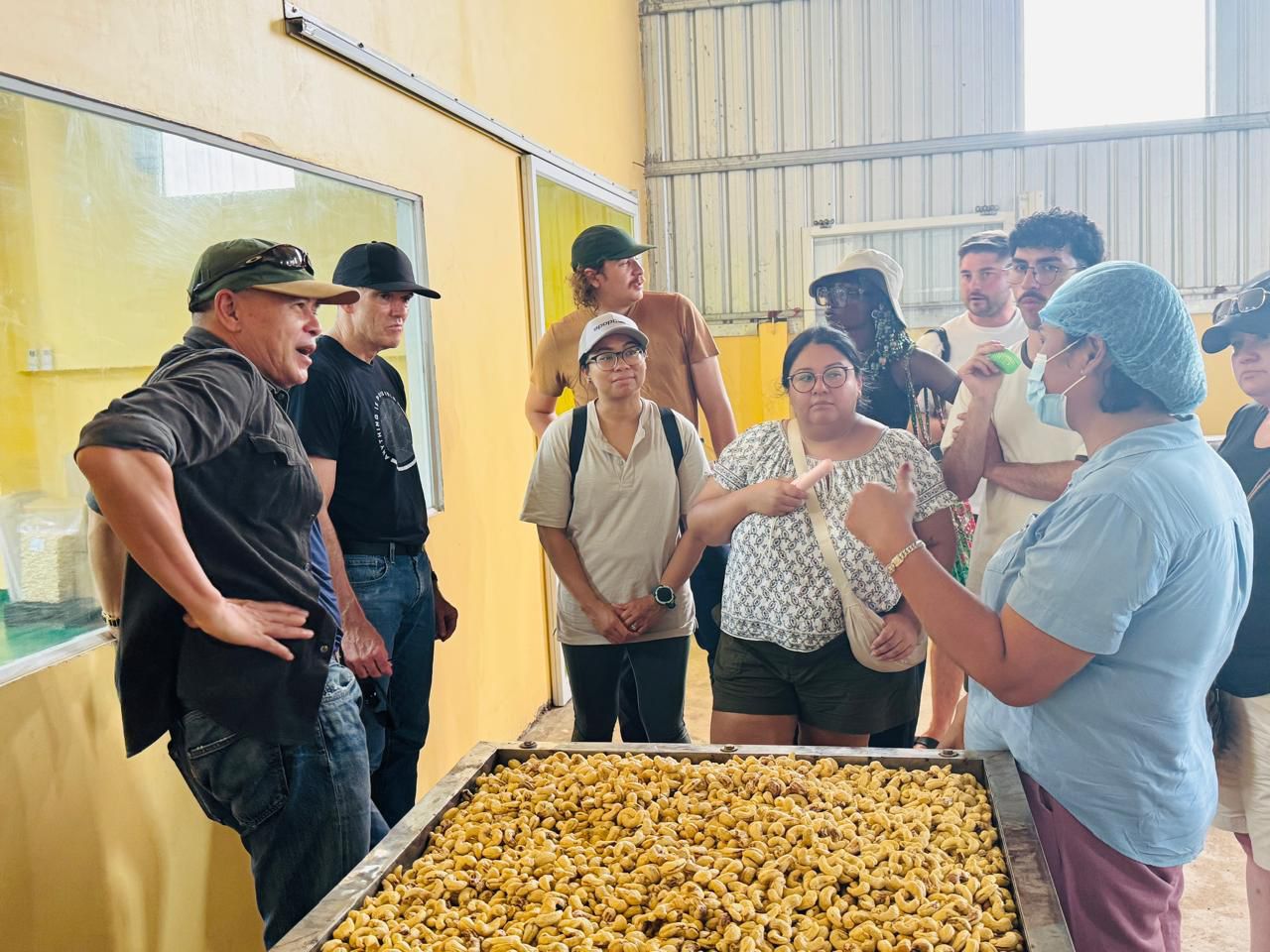
Women in Agriculture

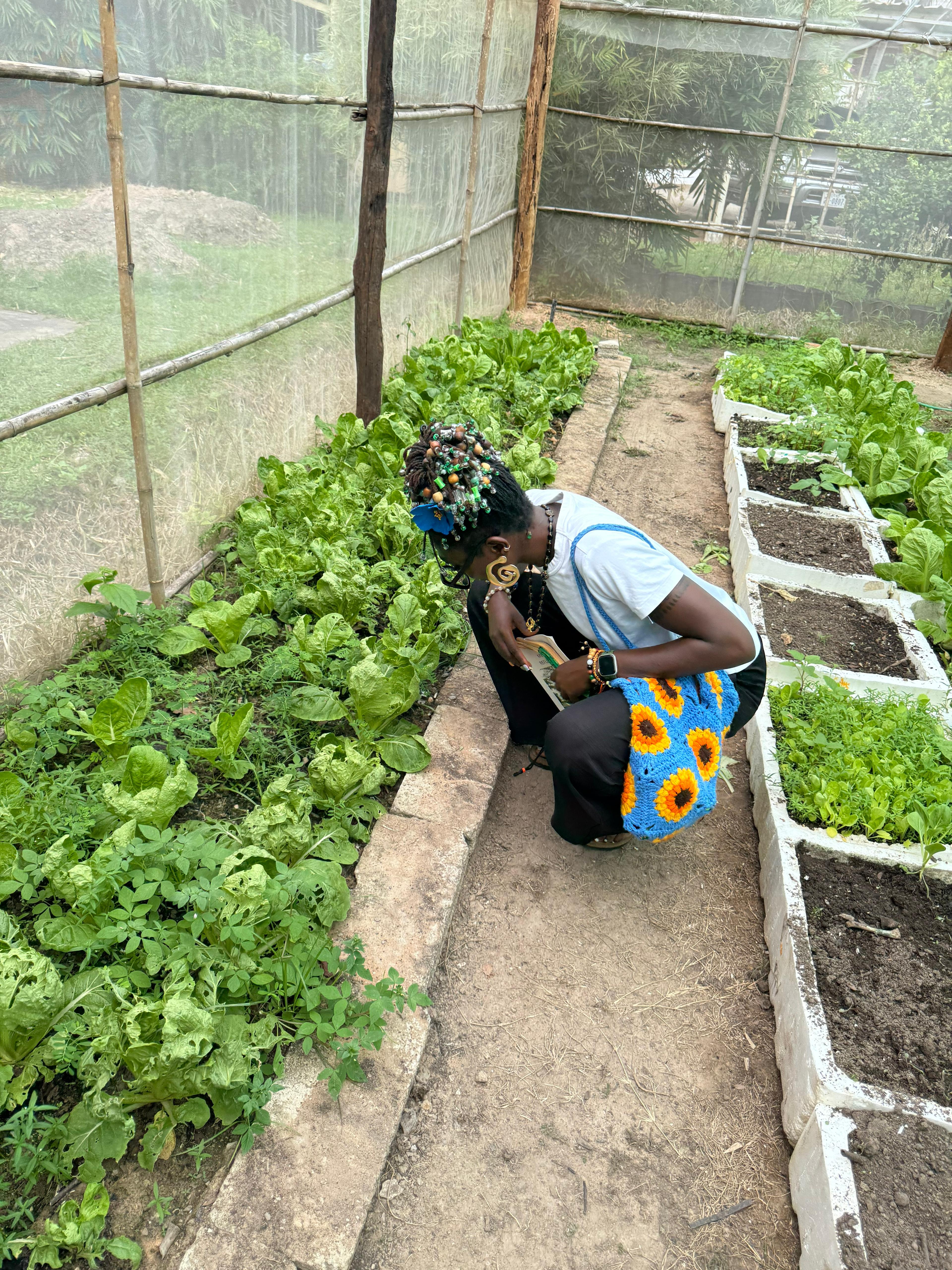
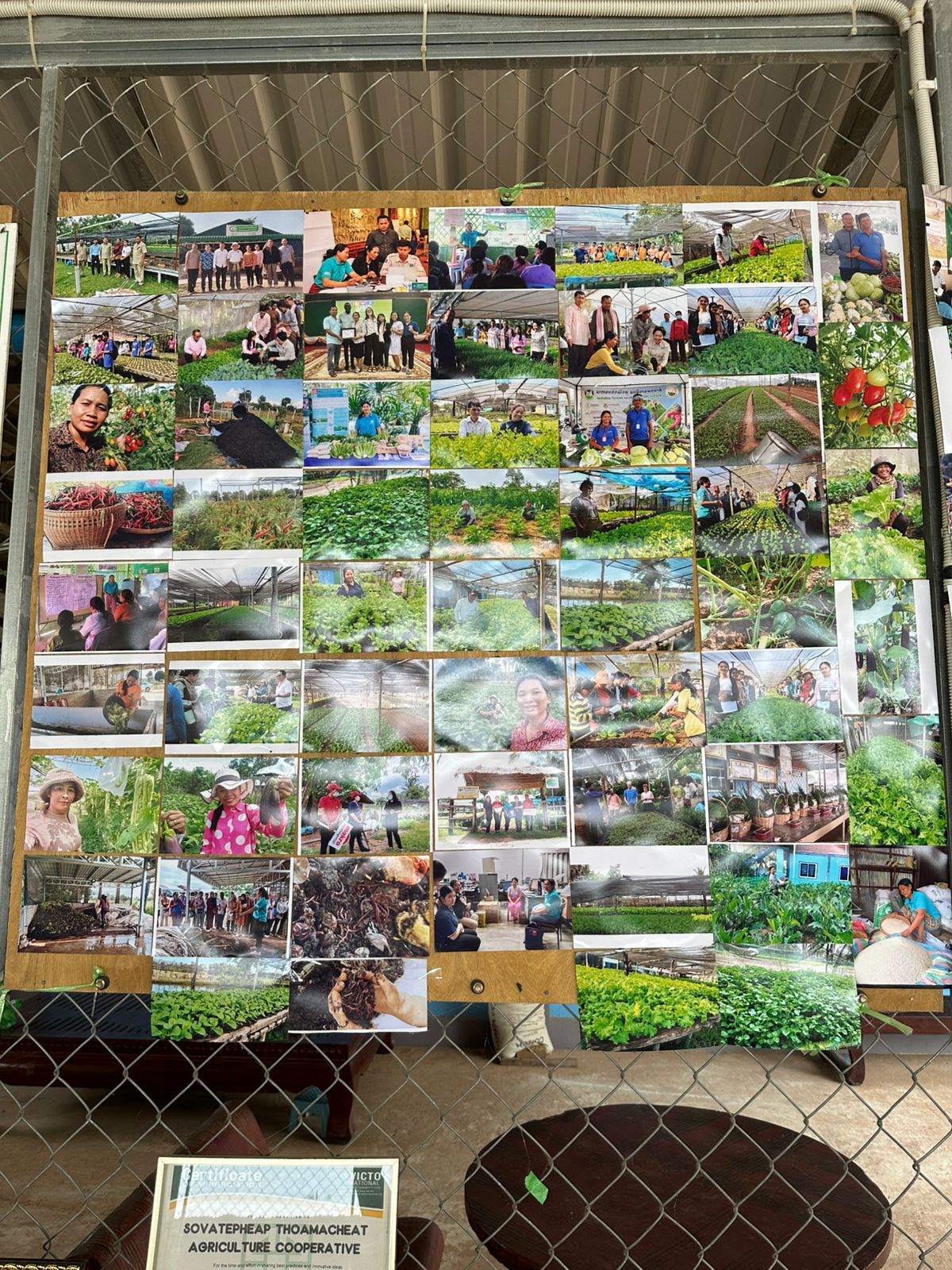
Visiting a women-led vegetable cooperative and a women-run cashew farm showed concretely how women's economic participation strengthens entire communities. These cooperatives are not just agricultural enterprises — they are public health interventions.

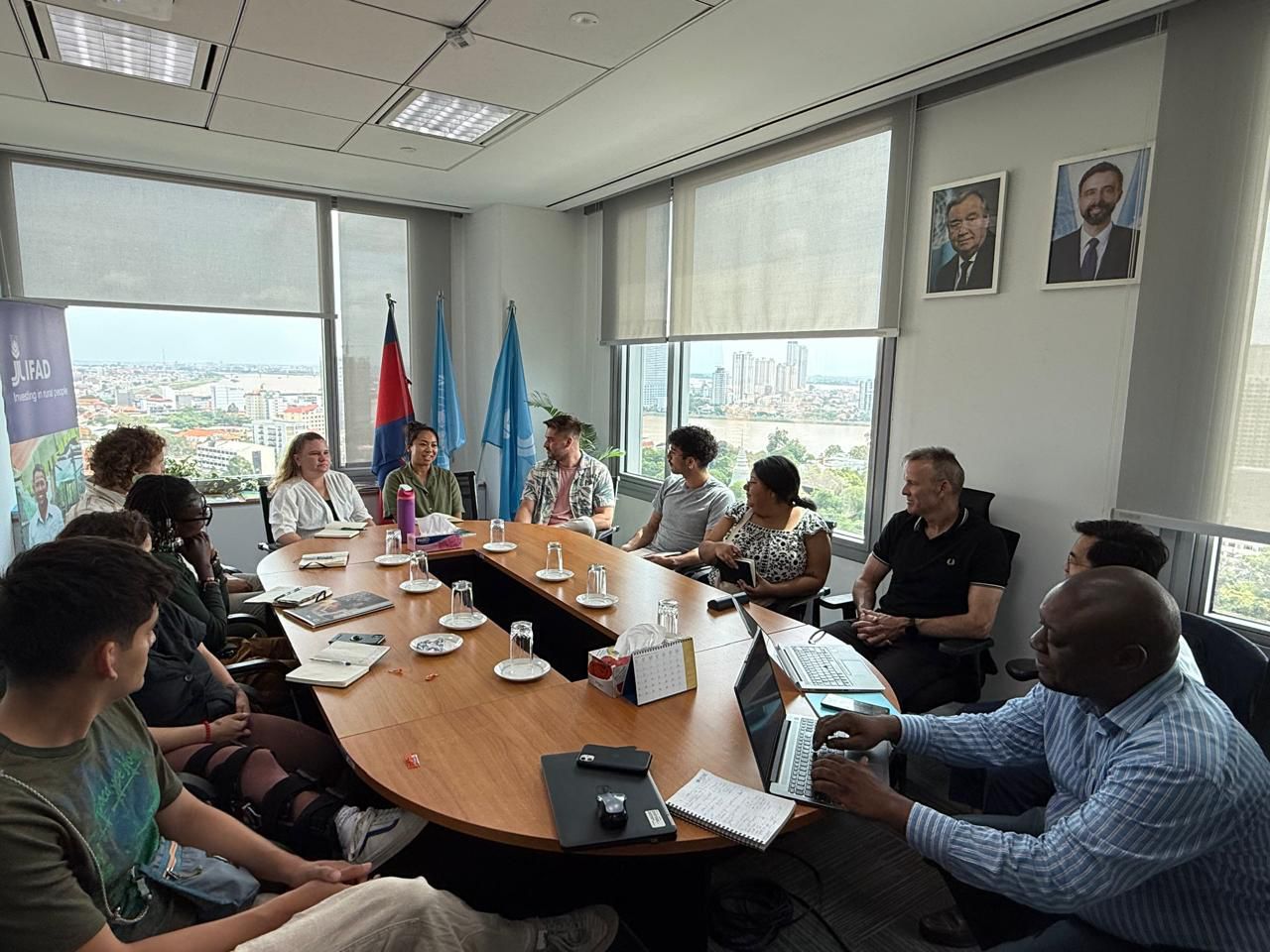
IFAD and IOM

Migration & Development

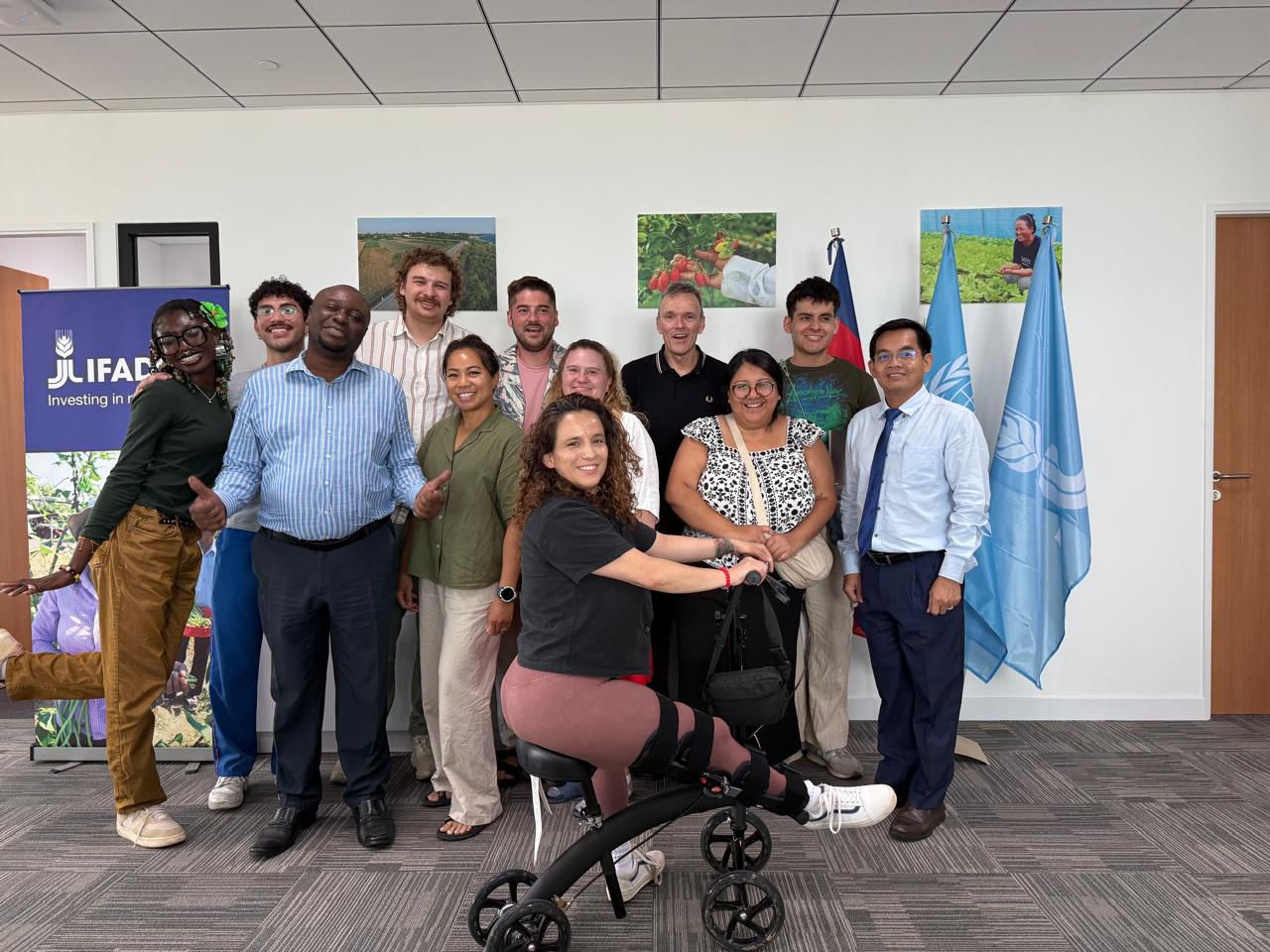
IFAD & International Organization for Migration

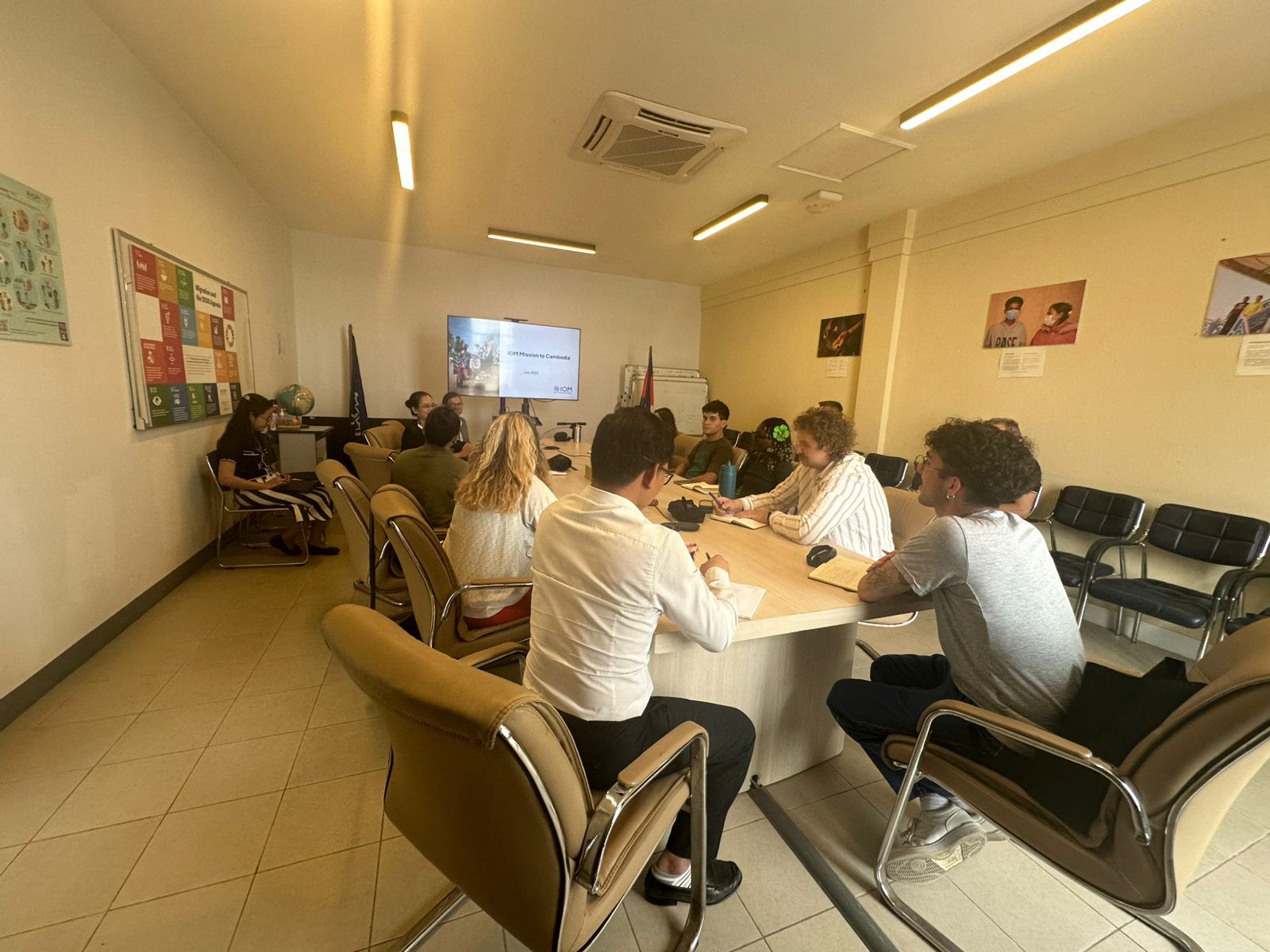
Our meetings with IFAD and IOM brought a macro-level perspective to what we had witnessed on the ground. Migration is not just a political issue — it is a health issue, shaping access to services, social support, and stability.

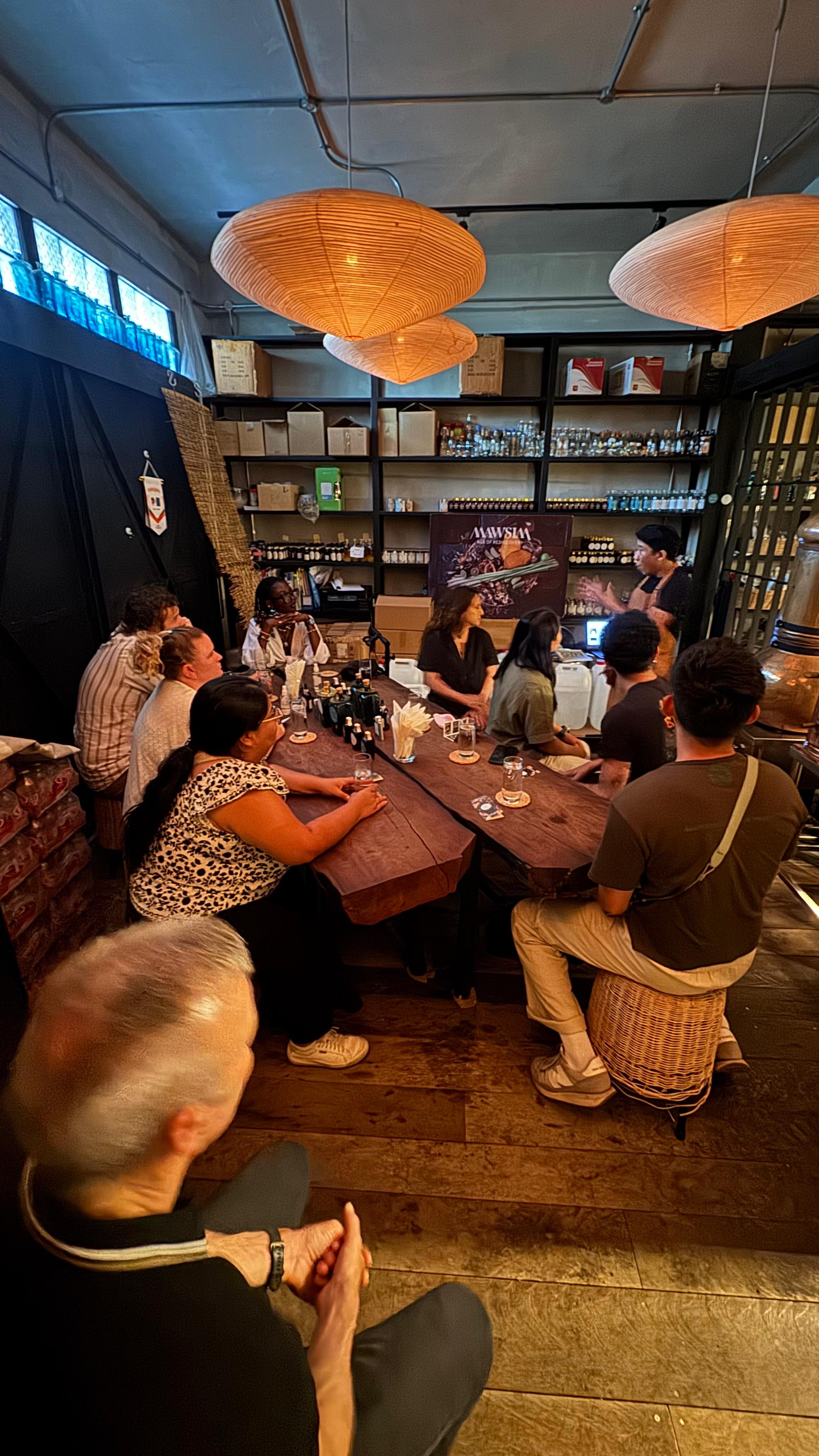
Mawsim Distillery

Partnership & Enterprise

Mawsim Distillery

A visit to Mawsim, a gin distillery born from Japanese-Khmer collaboration, offered a case study in how international investment can support local enterprise — and what that means for community economic health when built with intentionality and cultural respect.

Public Health Lens

What I Took Away

Across every visit, a consistent thread emerged: health cannot be separated from the systems that surround it. Here are the four core themes that shaped my perspective.

Social determinants are everywhere

Housing, income, education, and migration status all shape health outcomes in tangible, visible ways — not as abstractions, but as lived realities I witnessed firsthand.

Gender drives development

Women's economic leadership at the *vegetable agriculture cooperative* and cashew factory is not just a development story. It is a public health story — one about power, agency, and the conditions that allow communities to thrive.

Environment shapes livelihoods

Communities around Tonlé Sap make it impossible to separate ecological health from human health. The environment is not a backdrop to people's lives — it is the foundation of them.

Global systems have local effects

Organizations like IFAD and IOM demonstrate how decisions made at the international level shape the everyday conditions that determine whether people can stay healthy, safe, and connected.

"Buddhists and Christians alike, in dialogue, want to recognize similarities as well as difference in their traditions. It is good that an orange is an orange and a mango is a mango. The colors, the smells, and the tastes are different, but looking deeply, we see that they are both authentic fruits. Looking more deeply, we can see the sunshine, the rain, the minerals, and the earth in both of them. Only their manifestations are different. Religious experience is, above all, human experience. If religions are authentic, they contain the same elements of stability, joy, peace, understanding and love. The similarities as well as the differences are there."
--Thich Nhat Hanh
"We don't live alone. We live with each other with nature"
--unknown
"Without ever naming it a profession, they practice ecology in its truest form, living in harmony with the natural world"
--unknown